CQB Hell Weapons Tier List
Sandbox firearm roles for random maps and aggressive AI—feel first, numbers never invented.
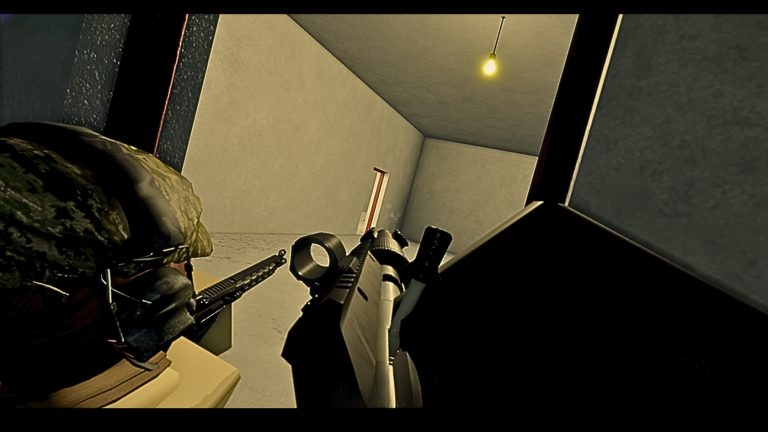
Weapon choice in CQB Hell is a sandbox decision under stress. Killart Studios’ Roblox PvE shooter randomizes maps, fields aggressive AI, and escalates into bosses such as Allik, Ascalon, Ambush, and Viper. Firearms that feel perfect in an empty hallway can fail at a contested doorway. This page ranks weapon roles using community-visible examples—Musket, G19B, D-44 Carbine, and Contender—without inventing DPS, headshot multipliers, or magazine math. It also points to Marketplace Specials and Event Weapons when your third gun or limited window matters.
Return to the Tier List Hub for criteria, then pair this page with Loadouts Tier List and Grenades & Medkits. Practice picks on the Shooting Range before you ego a boss door.
Ranking methodology
Each weapon is judged on five practical axes:
- Doorway control — Can you stop a rush without exposing your whole body?
- Miss recovery — What happens after a bad shot when AI keeps pushing?
- Map flexibility — Does it still work when the random layout gives short rooms or longer connectors?
- Boss usability — Can you keep pressure without standing still forever?
- Platform comfort — Is it usable on PC, Xbox, and Mobile, or only on mouse perfection?
We place tools into S / A / B / C bands. Placements are hypotheses for current play, not eternal truth. When Killart patches feel, re-test instead of arguing old clips—see Latest Patch Notes and Trench Warfare Update.
Community examples (not a closed roster)
CQB Hell’s sandbox is larger than any single video. The tools below appear often in community footage and are useful teaching examples. Treat them as archetypes. If the game adds new firearms, slot them into the same axes. For a full Contender deep dive, open Contender.
Musket — deliberate precision archetype
Typical band: A (S when you never miss the first shot).
The Musket rewards players who peek with intent, take a committed shot, and already know their reload or follow-up plan. In random CQB layouts, that means pre-aiming common entry frames and refusing panic hipfire. Miss recovery is the tax: aggressive AI will punish a long empty window. On bosses, Musket shine comes from spacing and cover cycles—see Solo Bosses with Musket—not from mythical one-clip fantasies.
Best for: patient clearers, players who practice on the range, solo boss attempts that value precision over spray.
Watch-outs: Mobile touch lag and frantic multi-enemy rooms. Pair with strong grenade discipline so you are not forced into rushed follow-ups.
G19B — close-room handgun archetype
Typical band: S–A in tight CQB, B if you force long connectors.
The G19B represents flexible handgun play in cramped spaces: quick draws on door edges, decisive close shots, and fast repositioning. Community clips (including the embedded video on this page) show why players search for it—rooms in CQB Hell are often short, and a controllable sidearm can outplay a long gun that cannot turn corners cleanly.
Best for: entry clears, backup when a primary is empty, Mobile players who need a simpler sight picture.
Watch-outs: open sightlines and lazy standing reloads. Handgun confidence becomes greed if you never practice retreat angles from Survive CQB.
D-44 Carbine — mid-control archetype
Typical band: S for all-rounders, A if you spray without cadence.
The D-44 Carbine sits between musket deliberation and pistol intimacy. It favors controlled bursts while moving between cover, which matches how random maps create mixed room sizes. Against aggressive AI, carbine cadence helps you keep pressure without committing to a single perfect shot. On Xbox and PC it is often the “default comfortable” feel; on Mobile it still demands disciplined bursts.
Best for: first-hour mains, mid-map clearing, players who want one gun that covers most rooms.
Watch-outs: burning a whole magazine into a doorframe, then facing a second wave empty. Utility timing from Grenades & Medkits matters more when your carbine is dry.
Contender — committed peek archetype
Typical band: A overall, S when first-shot discipline is high.
Contender sits with the named sandbox roster players actively search for. It rewards pre-aimed peeks and a clear follow-up plan rather than spray fantasy. Use the dedicated Contender page for loadout pairings, boss notes, and a twenty-minute practice plan. On this hub page, treat Contender as the bridge between musket deliberation and pistol intimacy—strong in mid-close rooms when you already know the second action after a miss.
Marketplace specials and event weapons
Not every strong tool is a primary. Marketplace specials are a third gun you can bring into runs—bought expensively or dropped from NPC enemies, permanent while owned, and removed permanently once listed for sale. Equip them from the special weapon menu before joining. Full rules live on Marketplace Specials. Low graphic mode helps many players spot drops; more specials (including boss exclusives) are planned.
Event weapons arrive in limited windows. Rank them with the same five axes and refuse FOMO promotions—details on Event Weapons. An event pistol that duplicates Contender’s job rarely deserves to displace a practiced Contender main.
Suggested tier bands (feel-based)
| Band | Role summary |
|---|---|
| S | Tools that stay useful across random maps when you play their strengths (often D-44-style control, G19B in tight rooms, or disciplined Contender peeks) |
| A | Strong specialists (Musket precision, or any gun that dominates one layout type) |
| B | Situational picks that need a specific map shape, team plan, or event context |
| C | Learning tools or niche experiments—keep them for range days |
We deliberately avoid naming every sandbox item with fake damage ranks. If a new weapon appears, ask: doorway control, miss recovery, map flexibility, boss usability, platform comfort—then place it.
How to promote or demote a gun after a patch
- Warm up on the Shooting Range, including a short PVP bout if you need pressure.
- Run two live maps focusing only on doorway entries (Map Clearing).
- Note deaths caused by the weapon’s weakness versus player error.
- Attempt one boss pattern from Bosses without switching kits mid-panic.
- Update your personal band, then compare with Loadouts Tier List and any equipped Marketplace Specials.
Related reading
- Tier List Hub — ranking criteria
- Contender — Contender deep dive
- Marketplace Specials — third-gun rules
- Event Weapons — limited-window ranks
- Loadouts Tier List — full kit roles
- Grenades & Medkits — utility pairing
- Getting Started — beginner mindset
- Loadout Checklist — pre-run readiness
CQB Hell will keep rewarding players who match firearm feel to map grammar. Use this weapons list as a living framework, re-test after updates, and never trust a chart that invents numbers the game does not show.
Frequently Asked Questions
Quick answers to the most common CQB Hell questions.
Why highlight Musket, G19B, D-44, and Contender?
They are clear community-visible archetypes. Use the same five axes to rank any other sandbox firearm.
Where are marketplace specials explained?
Open the Marketplace Specials page for third-gun equip rules, drops, buys, and permanent ownership risks.
Will you publish DPS tables later?
No. This wiki avoids fabricated combat stats. Rank by feel and outcomes instead.
Is the G19B always better than the Musket?
No. G19B-style play thrives in tight rooms; Musket-style play thrives when first-shot discipline is high.
What should beginners main first?
A controllable mid option like D-44 Carbine play is usually easier than pure musket or Contender precision.
Where should I validate a new pick?
Shooting Range first, then two live map clears, then a boss attempt.